
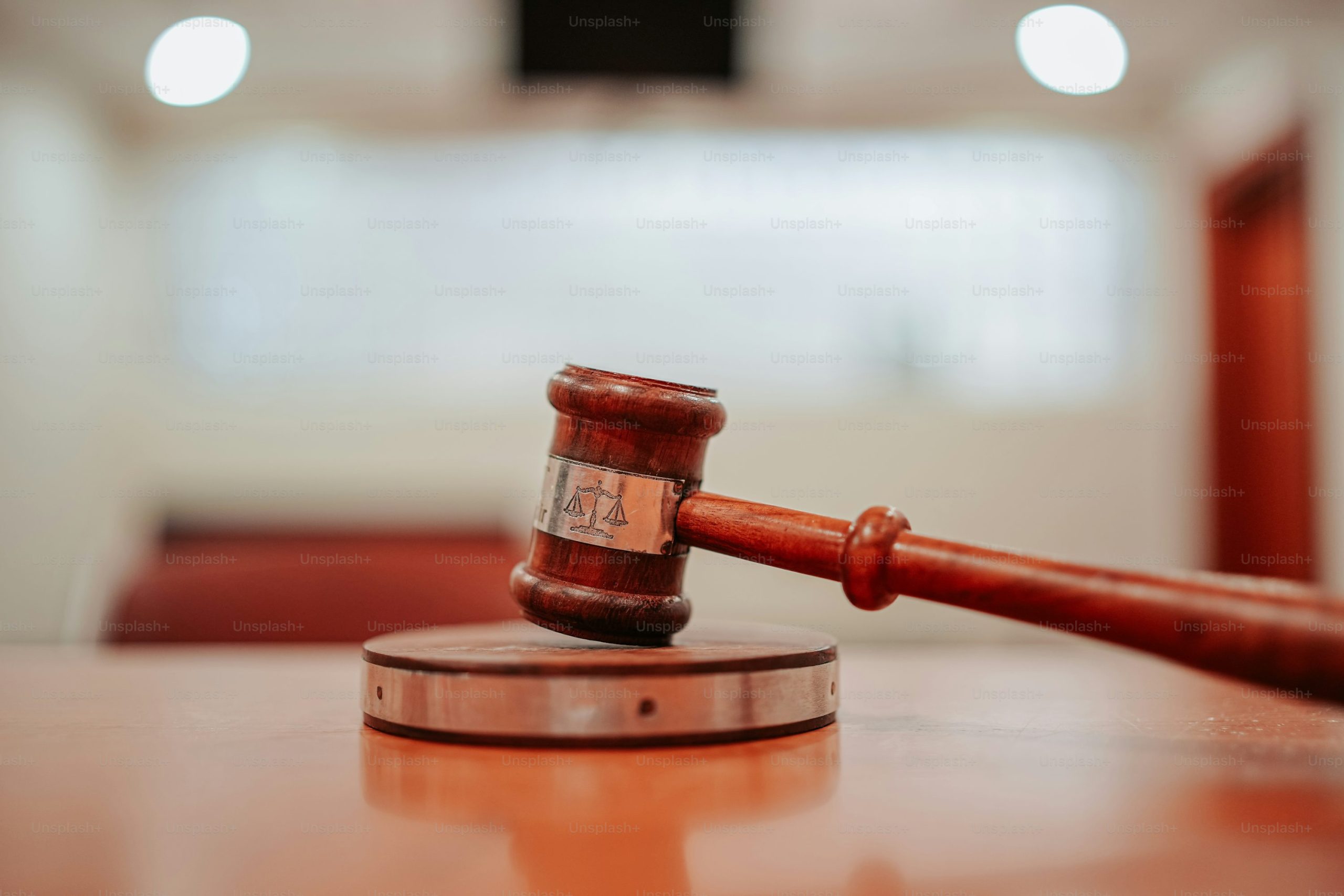
Do you know that a similar principle applies to the court of heaven?
Comparing the warning ‘anything you say will be used against you in the court of law’ with Matthew12 :37 ‘For by thy words thou shalt be justified, and by thy words thou shalt be condemned.’
Our words have consequences that extend beyond this life. They’ll either acquit us or condemn us on judgment day. It doesn’t matter how we meant them or the context in which we spoke them. Once released, our words will be judged. It is not just evil words for which people must give account. Jesus said every “careless” or “idle” word can also be used as a judgment against the speaker. Even the slightest sin, the smallest deviation from God’s perfection, will condemn a person in God’s eyes. The Pharisees’ sin was great; they had blasphemed the Lord with their word, even insignificant words, sometimes excused as “slips of the tongue,” are considered sinful if they do not bring glory to God.
So let us watch what we say even when we are playing with our friends or anybody at all. Often times when we are playing, we say harsh things thinking we are playing, causing others to laugh but it has consequences.
Unlike a court of law, where laws are broken before consequences are faced, the court of heaven holds us accountable for every idle word.
The Bible highlights various sins of the tongue such as:
- a wicked tongue (Psalm102:2)
- a deceitful tongue, a lying tongue (Jeremiah 9:8)
- a perverse tongue (Proverbs 15:4)
- a filthy tongue (Ephesians 5:4)
- a flattering tongue (psalm 12:3-4)
- a corrupt tongue (Ephesians 4:29)
- a slanderous tongue (psalm 101:5)
- a gossiping tongue (Proverbs 20:19)
- a back-biting tongue (Proverbs 25:23)
- a blaspheming tongue (Mark 3:29)
- a boasting tongue (Jeremiah 9:23-24)
We all see ourselves somewhere here.
The bible advises us to speak comforting words.
So it would be advisable for us to start mending our ways now, asking for forgiveness of all that we have said.


0 Comments